Home / Four Seasons of Getting a Truck to the Tree: Ground, Light and Timing
Four Seasons of Getting a Truck to the Tree: Ground, Light and Timing
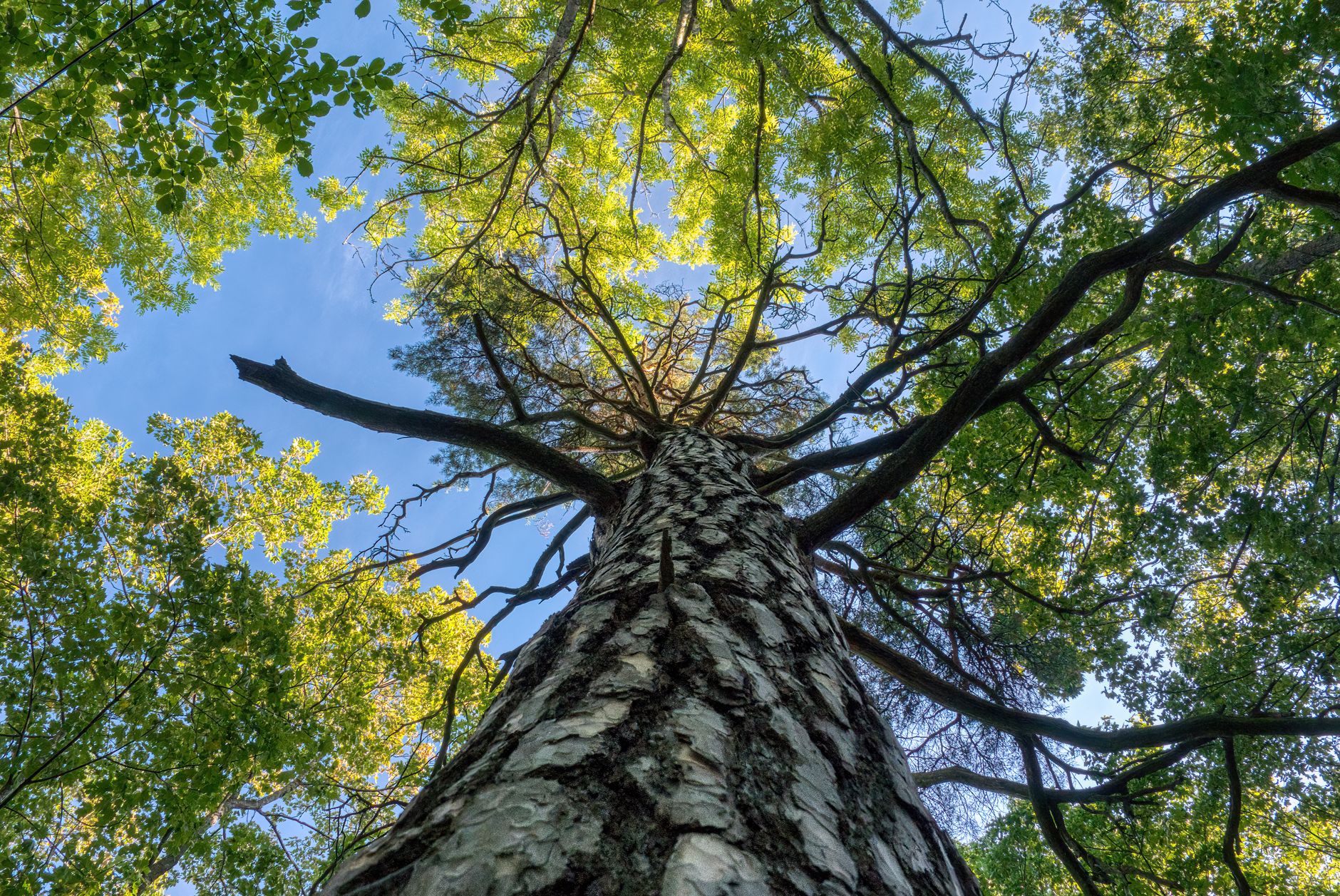
The route a crew takes to your tree matters as much as the cut itself, and that route changes every few months. Soil that holds a loaded truck in August turns to paste in January, and a maple that hides its branches in July shows every crack in February. Knowing which season helps and which one hurts lets you book the right month and prepare the right things.
An earlier piece on this site gave a closer look at access in general: gates, slopes, and the narrow gaps beside houses. What follows adds the calendar on top of it.
Why the ground decides the schedule
In the Pacific Northwest, rain is not the main obstacle for tree work. Many jobs can go ahead in a drizzle. The real limits are soil strength, visibility and lightning. Soil is the one homeowners underestimate.
Longview sits on a low valley floor between the Columbia and Cowlitz rivers, with silty and clay-rich alluvial soils. Those soils drain slowly and compact badly when wet. Neighborhoods on the low, diked ground near the rivers hold a high water table and stay soft well into spring.
You can test your own route in a minute. Walk the path a truck would take. If your heel sinks or water squeezes up around your shoe, it is too wet for machines.
Ruts are the visible damage, compaction is the hidden one
A rutted lawn can be raked, filled and reseeded. The harm underneath is harder to fix. Compaction in the root zone of the trees you are keeping often shows up years later as thinning crowns and dieback. Repairing the ruts does not repair the roots.
Ground protection mats or plywood runs help. They spread the load and cut down on rutting, and it is fair to ask any crew whether they bring them in wet months. They do not make a soggy root zone safe for repeated heavy passes, so the best protection is still waiting for firmer ground.
A season-by-season view
| Season | What helps access | What gets in the way | |---|---|---| | Late fall to winter | Bare deciduous trees show structure and dead wood | Saturated soil, short days, storm calls | | Early spring | Trees still leafless in many cases | Soft ground, sap flow in maples, nesting begins | | Late spring to midsummer | Longer days, drying soil | Active bird nests, leaf-out limiting pruning | | Late summer to early fall | Firmest ground, dormant turf, long daylight | Dry grass and spark risk, a calendar that fills quickly |
Late summer and early fall: the easy window
If a removal is not urgent, plan it for the dry stretch of late summer and early fall. The ground carries equipment, and brown dormant turf recovers from traffic far better than waterlogged winter sod, which often has to be reseeded after it tears.
Two cautions apply. Dry grass can catch sparks from saws and grinders, so water the work area beforehand, keep a hose charged, and expect an early start to the day. And this is also the time to book anything you want done on a fixed date. Fall and winter windstorms create emergency work that bumps scheduled jobs, so a planned removal is safer on the calendar before storm season begins.
Stump work belongs in this window too. In dry months a grinder leaves clean chips that are easy to rake. In wet soil the grindings turn into a muddy slurry that is slow to settle and hard to clear.
Winter: better visibility, worse footing
Winter is not automatically the quiet season. Storm work often fills the calendar, and a crew pulled to an emergency will not be at your house on the day you hoped.
What winter does offer is a clear view. Bigleaf maple, oaks and birch are bare from roughly November to March, so a climber or inspector can see cracks, dead wood and clearance from roofs and wires much more plainly. A lighter canopy also makes rigging limbs down easier. This advantage belongs only to deciduous trees. Douglas fir and western redcedar look the same all year, and leaf-off timing does nothing for them.
What winter takes away
- Daylight. A job that takes one day in July can stretch across two in December, so equipment and debris sit on the property longer.
- Firm ground. After heavy rain, clay drains slowly. Allow several dry days, not one dry afternoon, before expecting a truck on the lawn.
- Ice days. Ice-loaded limbs are heavy and unpredictable, and crews usually stand down on climbing and lifting until the thaw. Icy steep driveways can block trucks entirely. Hard freezes here are brief and unreliable, so do not count on frozen ground to carry machinery. The thaw is often the worst time of all.
- Easy log handling. In wet months, crews may chip on site or cut wood into rounds near the tree instead of dragging logs across the lawn. Decide ahead whether you want to keep firewood rounds or have everything hauled.
Fall: the first rains and what they reveal
The first heavy rains of autumn are a useful cue for a different reason. Douglas firs with root decay are at greater risk of uprooting once winter rain saturates the soil and wind arrives. Mushrooms or conks at the base, especially right after those first rains, are a reason to call for an inspection before winter rather than after a storm.
Wet fall leaves bring a smaller problem. They are slick on sloped driveways, decks and ladders, and they hide holes, old stumps and hose bibs. Rake the access path before the crew arrives.
Spring: sap, nests and soft ground
Spring combines the worst of the ground with new restrictions on the tree. Soil is still soft, and the calendar adds rules of its own.
- Nests. Through spring and into midsummer, check for active bird nests before scheduling heavy pruning or removal. Ask the crew to look as well, and be ready to wait until the young have left.
- Maple sap. Maples can bleed heavily when cut in late winter and spring. This is mostly cosmetic and does not harm the tree. Heavy pruning during leaf-out is a different matter, because the tree is spending its stored energy then.
- Cut care. Pruning cuts do not need sealing paint or tar in any season.
Worked example: a maple behind a narrow side yard
Picture a bigleaf maple at the back of a lot with a three-foot gap beside the house and a gate in the fence. In July, the crew can bring a compact machine through the gap on firm turf, and the only prep is clearing the path. In January, the same visit needs mats, several dry days beforehand, and a decision about whether wood gets chipped on site. The tree is easier to read in January, but the access is harder.
So the sensible plan is a winter inspection while the branches are bare, followed by the physical work in late summer. Inspection benefits from visibility, and heavy work benefits from firm ground.
Season-proof preparation
Some prep applies year-round, and a bid is more accurate when it is done first.
- Measure the narrowest point between the street and the tree, including gates, fence posts and the gap beside the house, and give that figure when you request a bid. Narrow compact equipment exists, but the crew needs to know in advance.
- Mark what is buried. Flag septic tanks, drainfields, water and gas lines, and irrigation pipes. A drainfield is easier to crush when the surrounding soil is saturated, so this matters most in the rainy season.
- Flag sprinkler heads in summer while the system is running and easy to spot. Tracks and outriggers snap them, and in winter they hide in long grass and leaves.
- Check who owns the tree. In older neighborhoods around Lake Sacajawea, large mature trees stand close to the street. Find out whether a tree near the curb is yours or a city street tree before hiring anyone, and plan where the chipper truck will park, because the street may be the only access.
- Clear the day-of basics. Move vehicles out of the drive, keep pets inside, unlatch gates and trim back shrubs along the path. Every minute a crew spends on these is a minute not spent on the tree.
A short rule of thumb
Let the tree set the date when it is a hazard, and let the ground set the date when it is not. A leaning tree after a storm will not settle back upright on its own, and topping a tall Douglas fir does not make it storm proof, since it weakens the structure and invites weak regrowth. For anything less urgent, the calendar does most of the work for you: inspect in the bare months, book in summer, and schedule the heavy machinery for the driest weeks. The notes on tree service longview source return to the same idea again and again, which is that good access is mostly planning done a season ahead.